In today's fast-paced culinary world, Indonesian home cooking stands as a vibrant testament to tradition and family bonds. These traditional recipes offer more than nourishment - they preserve heritage and bring people together through family meals cherished across generations. From Jakarta to global kitchens, the complex layering of spices and textures in Indonesian cuisine continues to captivate food enthusiasts worldwide.
This comprehensive guide explores the essence of Indonesian culinary traditions, featuring authentic recipes perfect for modern households. Whether you're recreating childhood flavors or discovering new tastes, these dishes promise to transform ordinary meals into cultural experiences.
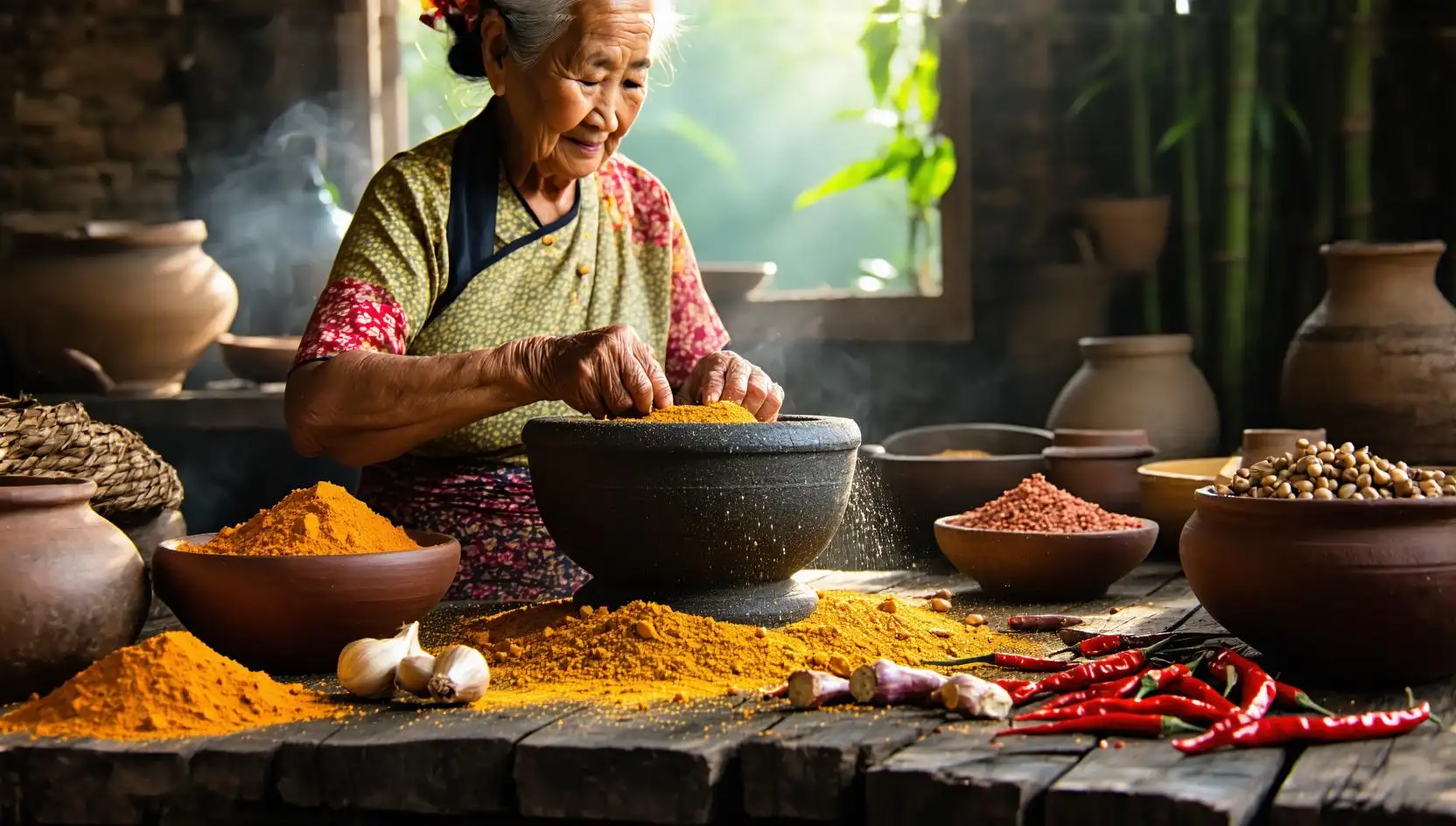
The Indonesian home cooking tradition spans over 6,000 inhabited islands, blending indigenous techniques with influences from Indian, Chinese, Arab, and European traders. Portuguese colonizers introduced chili peppers now fundamental to most traditional recipes, while Chinese merchants brought soy-based ingredients that shaped Javanese cuisine.
Each region developed distinct culinary signatures: Sumatra's rich coconut-based curries, Java's sweeter flavor profiles, and Eastern Indonesia's seafood-focused family meals. What unites them is the oral transmission of recipes through generations, ensuring preservation of authentic techniques.
Mastering Indonesian home cooking begins with understanding its fundamental components:
While specialty stores offer authentic ingredients, clever substitutions allow global adaptation. Galangal can be replaced with ginger, while palm sugar alternatives include brown sugar or maple syrup.
This versatile fried rice represents the soul of Indonesian home cooking. Originally created to repurpose leftover rice, it now features in daily family meals across the archipelago. The secret lies in kecap manis and proper wok technique - high heat creates signature smoky notes (wok hei).
UNESCO-listed rendang exemplifies how traditional recipes preserve culture. This West Sumatran specialty requires hours of slow cooking until coconut milk caramelizes into the meat. Traditionally prepared communally, its preparation teaches patience and precision to younger generations.
This turmeric-infused chicken soup demonstrates the balance central to Indonesian home cooking. Regional variations abound - Jakarta's soto betawi uses milk, while Javanese versions emphasize aromatic herbs. All share the ability to comfort during illness or celebrate morning gatherings.
This tamarind-based vegetable soup showcases how traditional recipes adapt to environment. Its refreshing acidity stimulates appetite in tropical climates, while local vegetables make it accessible for daily family meals. Nutrient-dense and light, it represents Indonesia's plant-forward culinary wisdom.
In donesian society, family meals serve as social glue. Communal dining practices teach respect - elders get served first, and guests receive the choicest portions. Festive occasions see entire neighborhoods collaborate on massive rendang batches or tumpeng (ceremonial rice cones).
These traditions accomplish dual purposes: preserving traditional recipes while reinforcing community bonds. Even simple weekday dinners become opportunities for storytelling and cultural transmission when prepared through Indonesian home cooking methods.
Contemporary chefs are reimagining Indonesian home cooking for health-conscious diners:
These innovations make traditional recipes accessible to diverse dietary needs while maintaining authentic flavors. Home cooks can experiment with such adaptations when preparing family meals for modern households.
Successful Indonesian home cooking requires mastering basic techniques:
Investing in a granite mortar and pestle or heavy wok significantly improves results. Most importantly, approach family meals with patience - authentic flavors develop through careful preparation.
Recreating authentic Indonesian home cooking abroad requires strategic sourcing:
| Ingredient | International Sources | Substitutes |
|---|---|---|
| Kecap manis | Asian grocery online stores | Molasses + soy sauce |
| Galangal | Specialty produce markets | Ginger + lime zest |
| Palm sugar | Health food stores | Coconut sugar |
| Tempeh | Vegetarian specialty shops | Extra-firm tofu |
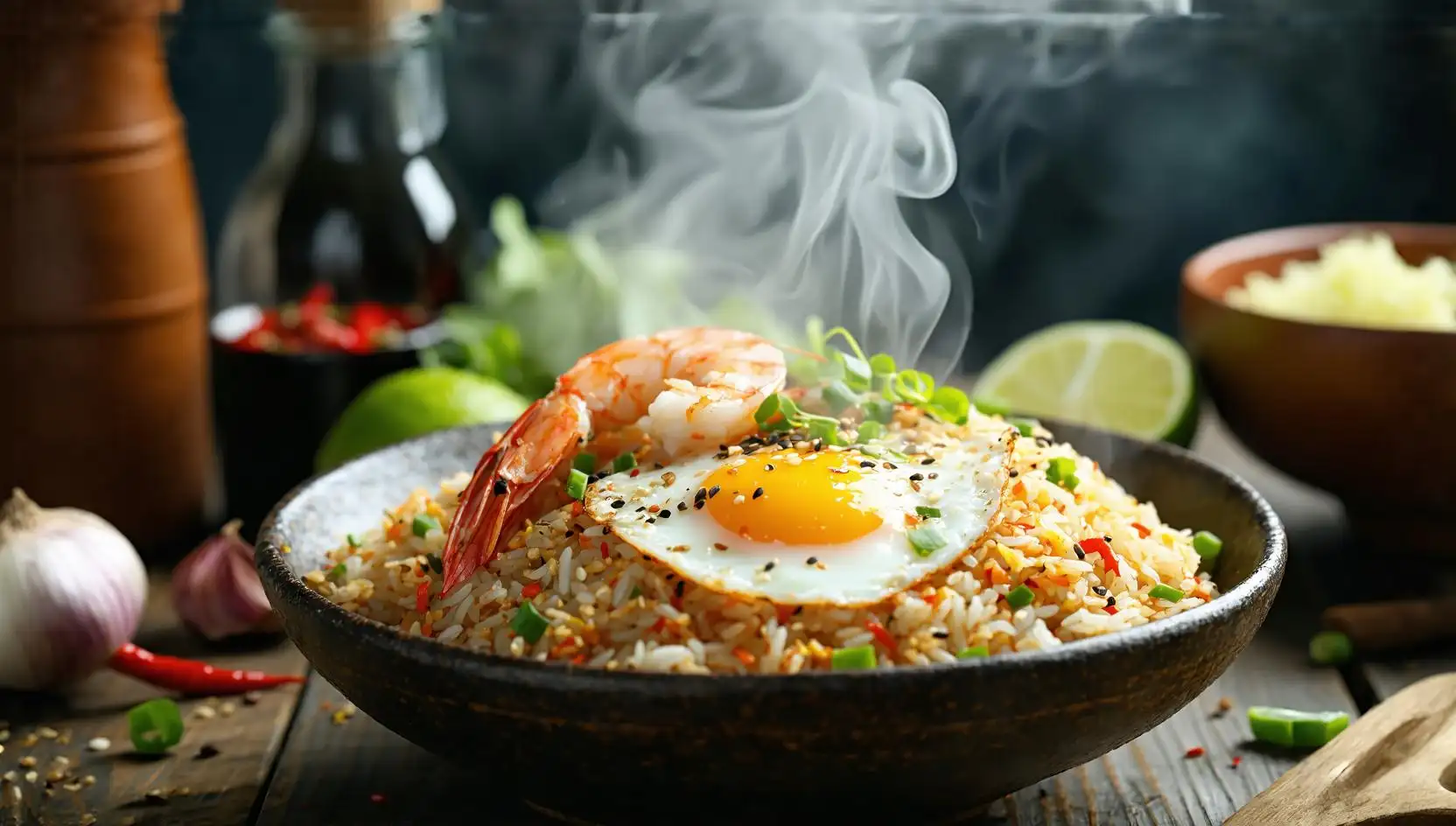
Indonesian home cooking offers more than sustenance - it's edible cultural preservation. Each time we prepare traditional recipes for our family meals, we participate in centuries-old traditions. The dishes connect us to ancestral wisdom while adapting to contemporary needs.
From simple nasi goreng to elaborate festive spreads, these culinary traditions invite global participation. Their complex flavors tell stories of migration, trade, and adaptation - narratives that continue evolving in home kitchens worldwide.
| Region | Signature Dish | Key Characteristics |
|---|---|---|
| Java | Gudeg | Sweet jackfruit stew with palm sugar |
| Bali | Bebek betutu | Slow-cooked duck in banana leaves |
| Sumatra | Pempek | Fish cake with vinegar sauce |
| Sulawesi | Coto Makassar | Peanut-based beef soup |
A sturdy wok, mortar and pestle, and good quality knives form the foundation for authentic Indonesian home cooking. Bamboo steamers and clay pots add traditional touches but aren't mandatory for preparing family meals.
Most traditional recipes allow flexible chili amounts. Start with half the recommended quantity, then adjust to taste. Removing seeds from chilies also reduces heat while preserving flavor in family meals.
While some celebratory dishes require hours, many Indonesian home cooking staples like nasi goreng or soto ayam can be prepared in under an hour. Meal prepping spice pastes in advance significantly reduces active cooking time for weekday family meals.
Start with mild, familiar dishes like bakwan (vegetable fritters) or nasi kuning (turmeric rice). Gradually introduce bolder flavors through dipping sauces accompanying family meals, allowing children to explore at their own pace.
This content is provided for informational purposes only. While we strive for accuracy, recipes and techniques may vary by region and family tradition.
Suryadi
|
2025.06.30


 Feed back
 Privacy Policy


