

 Feed back
 Privacy Policy
Indian weddings are spectacular celebrations that span multiple days, always culminating in grand feasts that unite families and communities. The food serves as more than mere sustenance - it's a vibrant storyteller of heritage, love, and unity. This guide explores the intricate world of Indian wedding food, from traditional banquet menus to modern innovations, revealing how these culinary experiences create lasting memories.
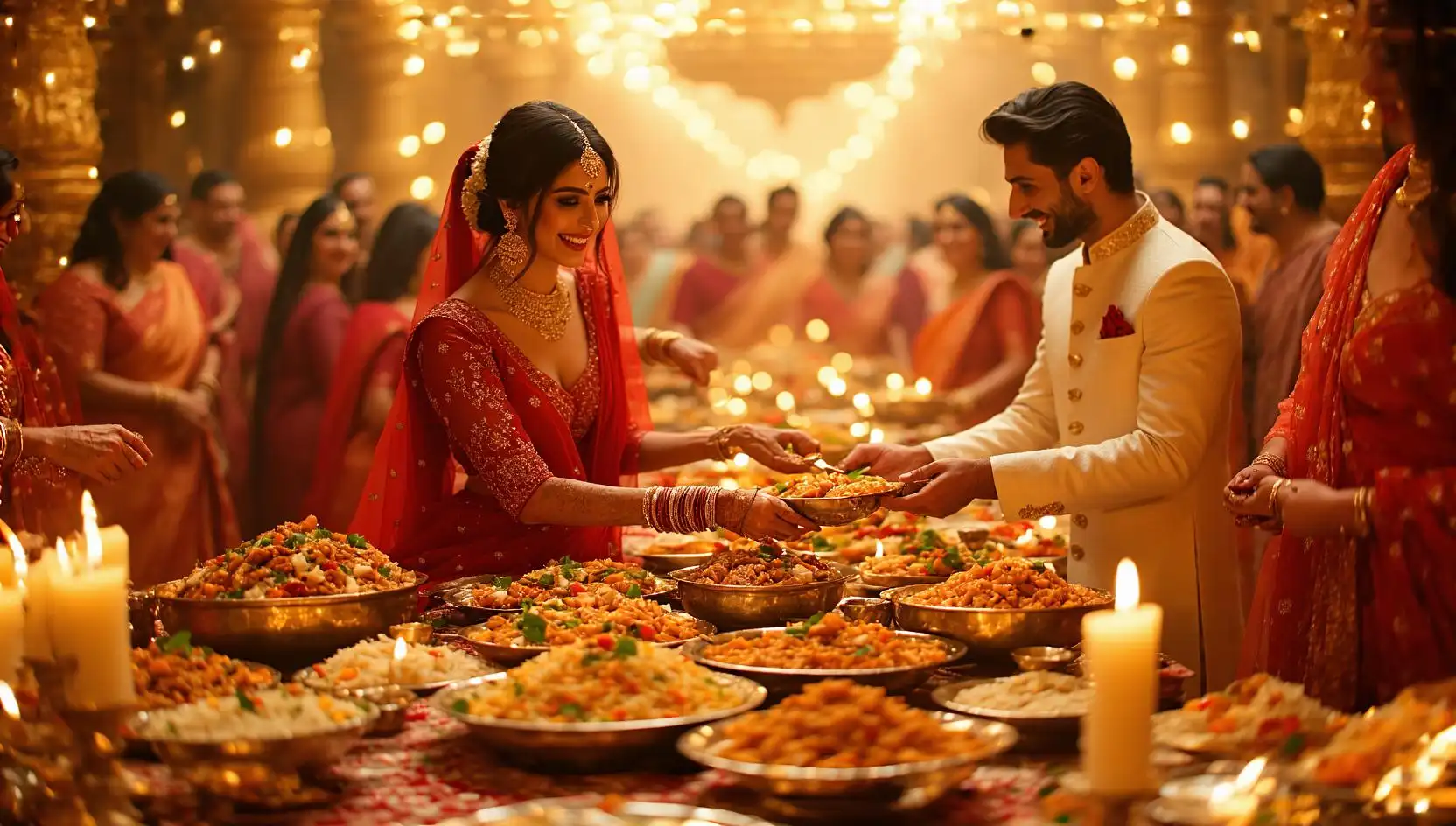
India's diverse regions each contribute unique flavors to wedding celebrations. Punjabi weddings dazzle with buttery naans and rich meat curries, while Bengali ceremonies showcase delicate fish dishes and iconic sweets like rasgulla. These culinary traditions aren't just about taste - they represent generations of family history and regional pride.
Northern weddings typically feature robust, dairy-rich dishes with prominent meat preparations, while Southern celebrations emphasize lighter fares featuring coconut, tamarind, and seafood. Despite these differences, both traditions share a commitment to abundance and hospitality that leaves every guest satisfied.
Creating memorable Indian wedding food requires balancing tradition with contemporary tastes. Today's couples skillfully blend classic recipes with innovative fusion dishes, ensuring their banquet menus appeal to all generations while maintaining cultural authenticity.
Feeding hundreds (or thousands) of wedding guests demands military precision. Caterers must coordinate cooking capacity, transportation logistics, and strict hygiene standards across multiple venues. Modern menus also accommodate diverse dietary needs, including gluten-free, vegan, and Jain options.
Certain dishes have become synonymous with grand feasts across India:
Beyond national favorites, local specialties add distinctive flair. Gujarat's undhiyu or Andhra's fiery curries often become talking points among guests, celebrating the couple's regional roots through flavor.
Contemporary couples are reinventing banquet menus with creative concepts:
Indo-Chinese Manchurian or Mexican samosa tacos demonstrate how global influences are reshaping Indian wedding food while maintaining traditional essence.
Live stations like dosa corners or DIY chaat bars engage guests actively in the culinary experience, making the feast more memorable.
Creating seamless grand feasts requires armies of skilled professionals. From chefs specializing in regional cuisines to logistics teams ensuring perfect temperature control, every detail matters.
Modern tools like AI-powered quantity predictors and digital menu planners help caterers minimize waste while ensuring every guest's dietary needs are met.
Couples should allocate 30-40% of their budget for food, carefully research caterers, and customize menus based on guest demographics. Including both traditional must-haves and innovative dishes creates a balanced experience.
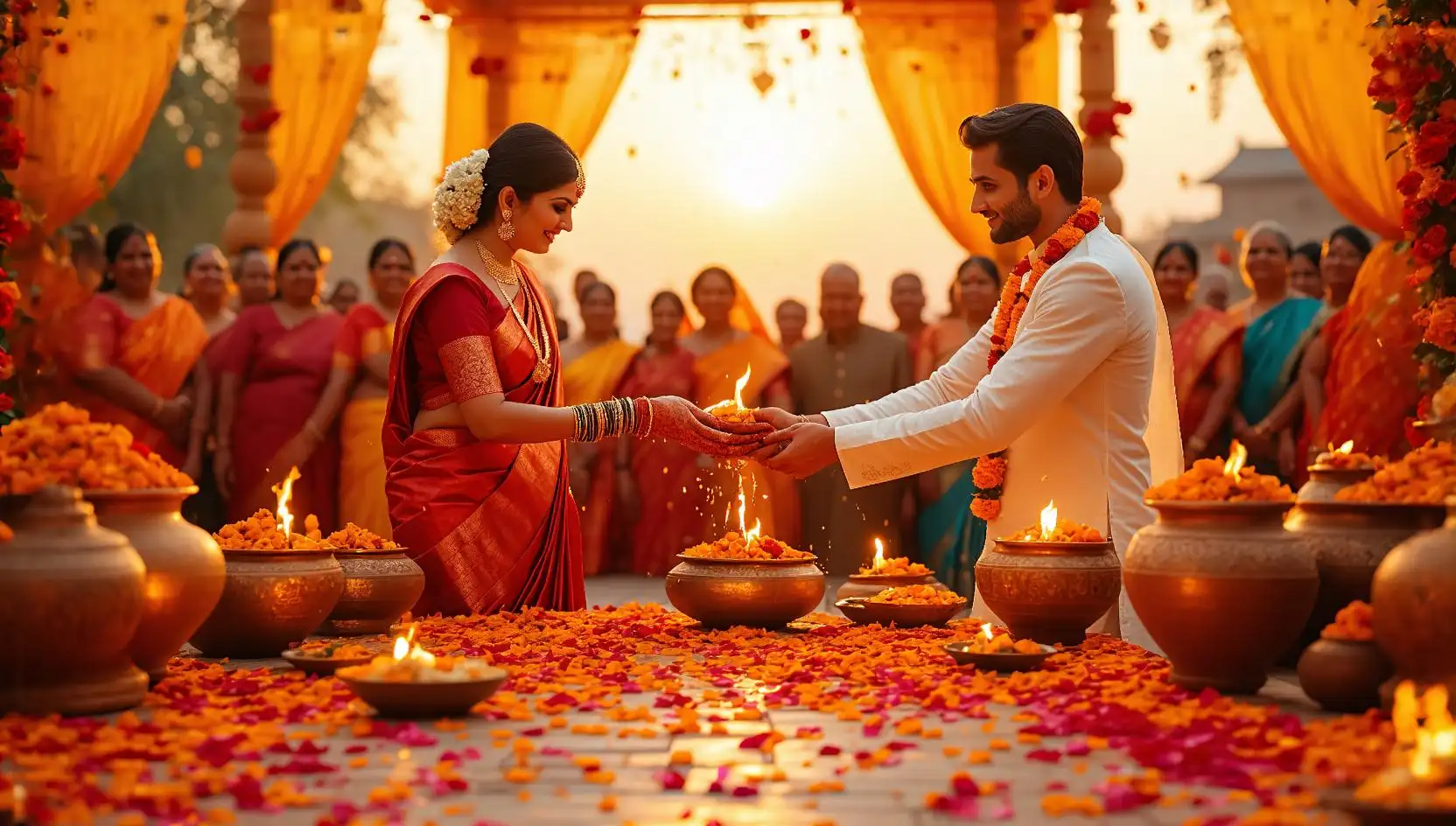
Indian wedding food transcends mere dining - it's a cultural symphony where every dish plays a vital note. From time-honored recipes to modern interpretations, these grand feasts create memories that linger long after the celebrations end. As couples continue to innovate while honoring tradition, Indian wedding cuisine remains a vibrant, evolving celebration of love and heritage.
Sharma
|
2025.06.30


