

 Feed back
 Privacy Policy
In recent years, Chile chocolate has quietly but steadily carved a niche for itself on the global stage. While traditionally overshadowed by neighboring cacao powerhouses like Ecuador and Peru, Chile is now gaining recognition not only for its premium quality but also for its deep-rooted cocoa traditions and innovative artisan chocolate movement. This transformation reflects a broader shift in consumer preferences toward ethically sourced, handcrafted food products that tell a story—one that resonates with authenticity and craftsmanship.
Chile may not be a leading cacao producer, but it has embraced chocolate-making with a passion that rivals many larger nations. The country's unique blend of indigenous heritage, colonial influences, and modern culinary creativity has resulted in a distinctive chocolate culture that is both historical and contemporary. Whether you're a connoisseur seeking rare flavor profiles or simply curious about what sets Chile chocolate apart, this article will take you through the evolution, current state, and promising future of Chile's rich chocolate legacy.
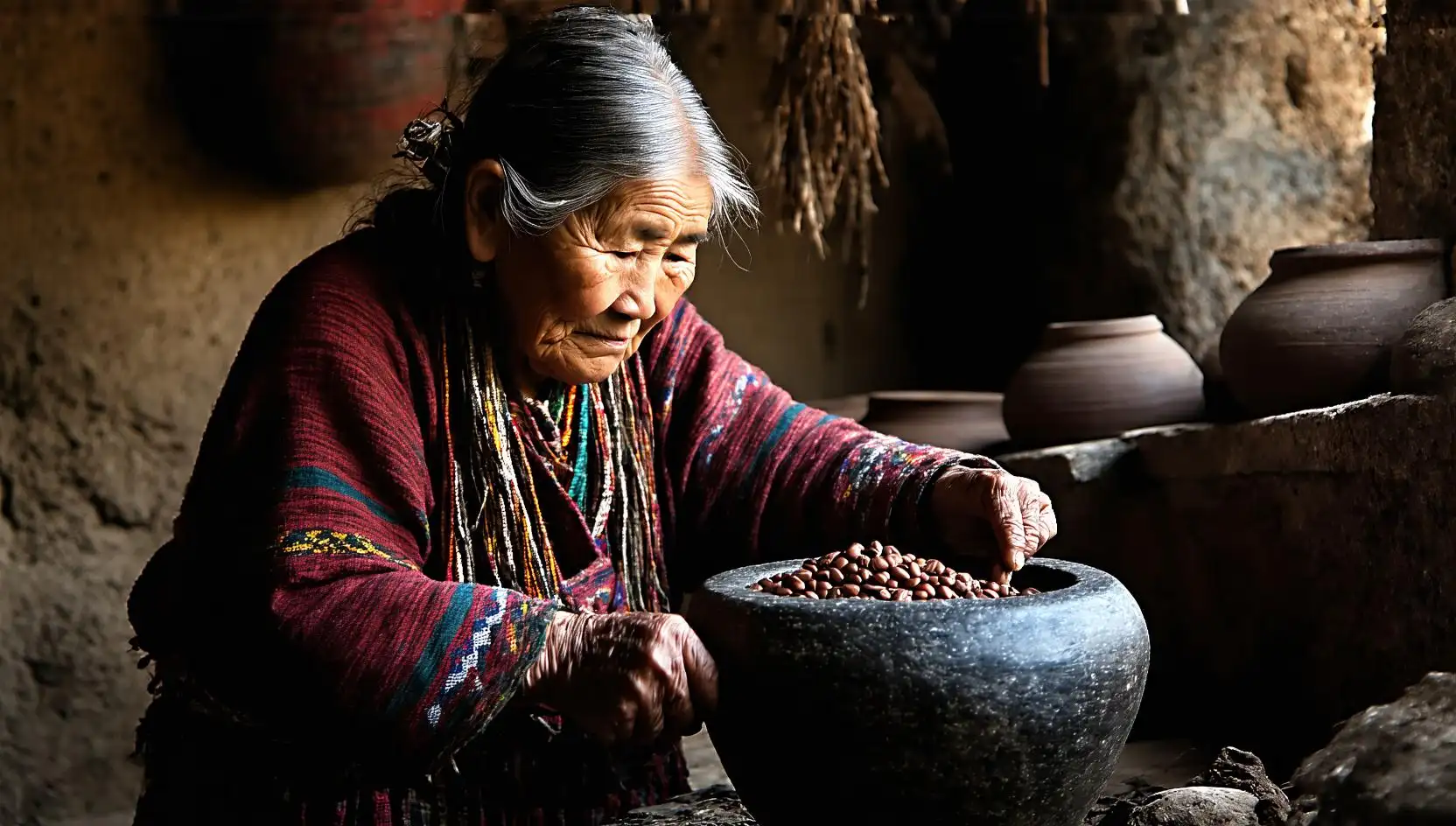
The history of cocoa traditions in Chile begins long before the arrival of European colonizers. Although cacao does not naturally grow in Chile due to its temperate climate, the fruit was introduced during the Spanish conquest from Mesoamerican cultures, where it held sacred and economic value. The Mapuche people, one of Chile's largest indigenous groups, adopted some of these practices, incorporating cacao into ceremonial rituals and medicinal preparations.
By the 17th century, Spanish settlers had begun cultivating cacao in limited quantities in the northern parts of the country, particularly in the oasis valleys near Copiapó. Over time, a hybridized version of traditional Chilean chocolate emerged—infused with native herbs such as boldo and maqui berry, giving it a uniquely Chilean flavor profile. These early experiments laid the foundation for today's artisan chocolate producers who continue to experiment with indigenous ingredients and age-old preparation techniques.
A fascinating development in Chilean chocolate is the resurgence of pre-Columbian flavors and preparation methods. Inspired by archaeological findings, modern chocolatiers are revisiting ancient recipes that used natural sweeteners like panela and fruits such as lucuma. Some even grind cacao using volcanic stone mills, mimicking pre-colonial tools.
Over the last decade, artisan chocolate has seen explosive growth across Chile. Independent chocolatiers are setting up shop in cities like Santiago and Valparaíso, each bringing creative flair to the craft. Unlike mass-produced chocolate, Chile's artisan chocolate emphasizes small-batch production, traceability, and flavor experimentation.
What distinguishes Chile chocolate in this space is its willingness to incorporate native elements. Some brands infuse their bars with smoked paprika from Curacautín or merquén—a spicy seasoning made from Mapuche-grown chili peppers. These combinations offer a sensory journey through Chile's diverse ecosystems.
One of the most exciting trends is the exploration of fusion flavors celebrating Chile's biodiversity. From dried figs to wild mushrooms, chefs experiment with unexpected pairings:
Chile's elongated geography creates diverse microclimates influencing chocolate character:
While terroir is typically associated with wine, it applies equally to artisan chocolate. Soil composition, altitude, and rainfall all influence flavor. In Chile, this is felt through local additives and processing environments.
As global awareness grows, Chilean chocolate producers emphasize ethical sourcing. Many artisan chocolate makers ensure every step—from bean procurement to packaging—is environmentally responsible.
Beyond ethical sourcing, many adopt organic farming principles for non-cacao ingredients. Packaging trends include reusable tins and compostable wrappers.
Several Chile chocolate brands partner directly with cooperatives in Bolivia and Ecuador, ensuring farmers receive fair wages and educational support.
Chocolate serves as a gateway to cultural immersion in Chile. Visitors can enjoy chocolate workshops, tastings, and factory tours throughout the country.
Looking ahead, Chile's artisan chocolate scene shows promising growth potential. Emerging brands are forming international collaborations while maintaining traditional techniques.
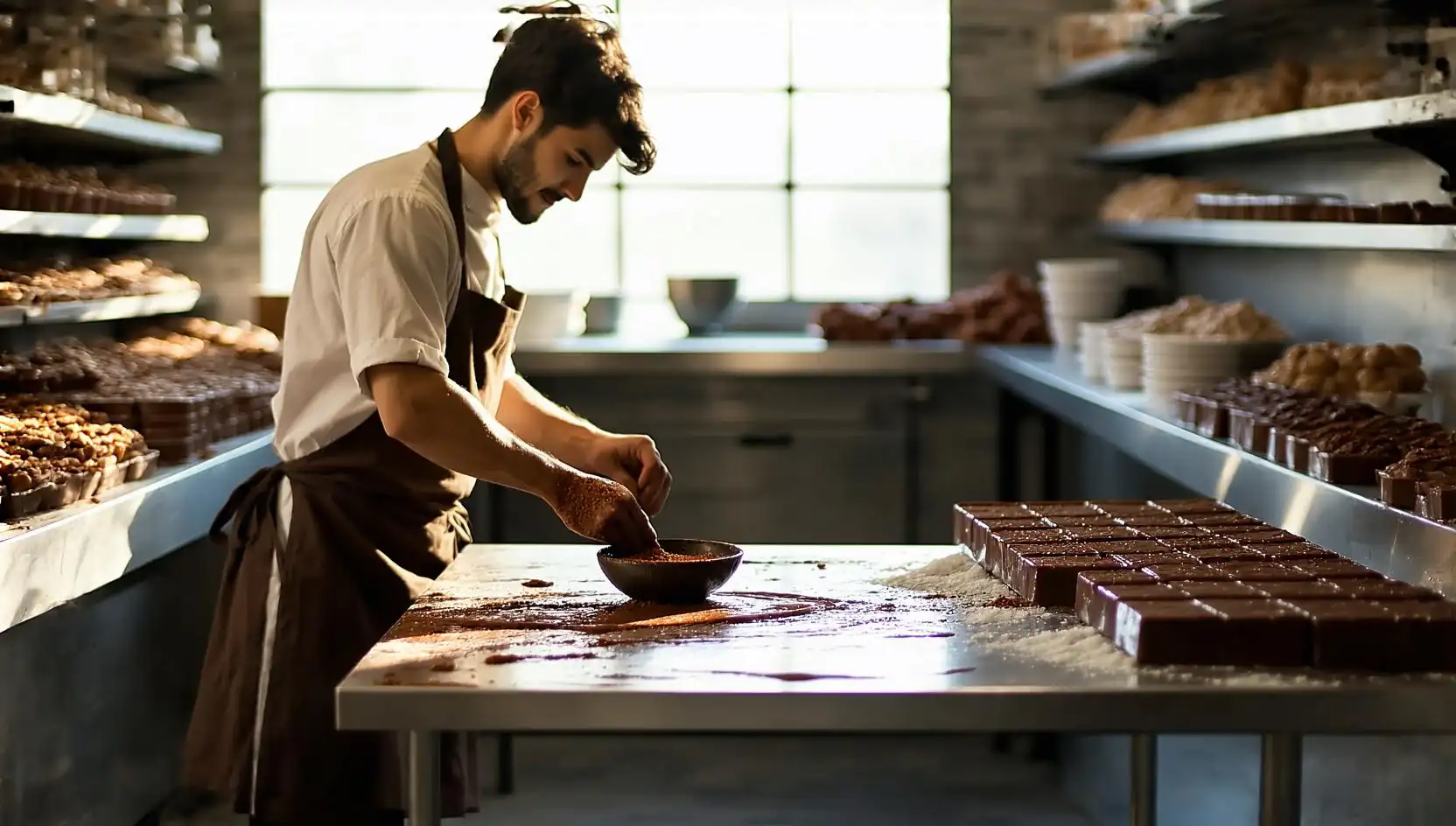
From its historical cocoa traditions to the modern artisan chocolate movement, Chile has developed a distinctive chocolate culture that blends heritage with innovation. As sustainability and quality remain priorities, Chile chocolate continues to gain global recognition.
No, Chile doesn't grow cacao due to climate conditions, but imports high-quality beans from neighboring countries.
The incorporation of native ingredients and ancestral techniques gives Chilean chocolate distinctive flavor profiles.
Several Chilean chocolate brands export to specialty stores worldwide, and many offer international shipping through their websites.
Rafael Delgado
|
2025.06.30


