

 Feed back
 Privacy Policy
When most travelers think of Jakarta, the first images that come to mind are towering skyscrapers, bustling traffic, and modern shopping malls. However, beneath this urban façade lies a vibrant culinary scene that is deeply rooted in tradition and local culture — one that can be best experienced through its lesser-known food markets. These Jakarta food markets offer more than just sustenance; they provide a window into the city's diverse heritage, where generations have gathered to trade, cook, and share meals. For those seeking local delicacies beyond the typical tourist spots, uncovering these hidden gems is not just a culinary adventure but also an immersive cultural experience.
Jakarta, the capital of Indonesia and one of Southeast Asia's largest metropolitan areas, is home to over 10 million residents within the city proper and more than 30 million in the greater Jabodetabek region. This massive population brings together people from across the archipelago, resulting in a rich tapestry of regional cuisines represented in its food markets. According to data from the Central Bureau of Statistics (BPS) for DKI Jakarta in 2024, approximately 68% of daily food consumption among Jakartans still occurs in traditional markets rather than supermarkets or restaurants.
Located in the heart of South Jakarta, Pasar Santa has undergone a remarkable transformation in recent years. What sets Pasar Santa apart is its curated selection of food vendors who focus on both traditional and innovative dishes. While you can find modern fusion creations here, the real stars remain the time-tested classics like Nasi Uduk — a fragrant coconut rice dish originating from Betawi culture — and Es Krim Campur, a colorful shaved ice dessert.
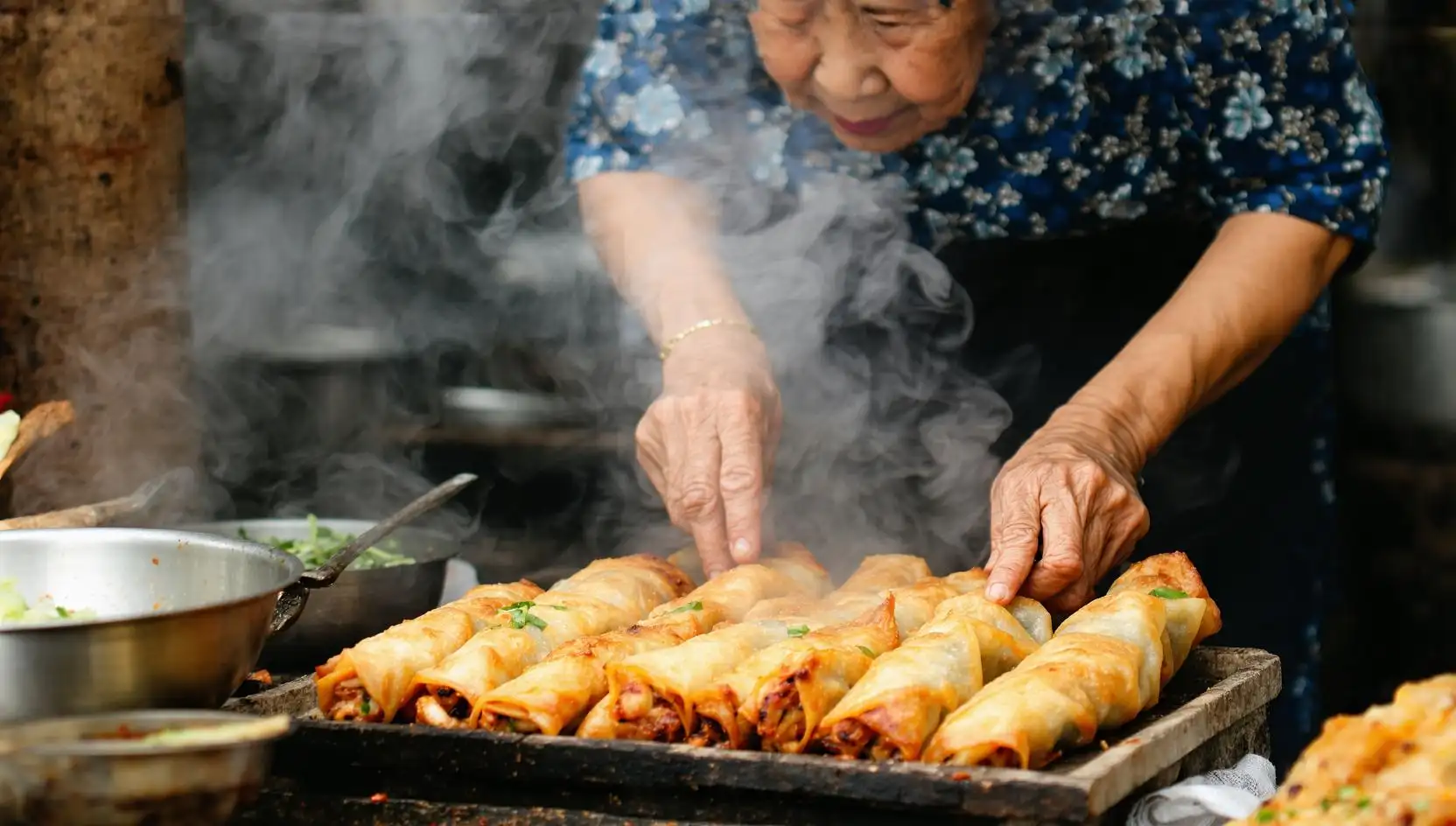
This market dates back to the Dutch colonial era and has retained much of its original charm. The market is especially famous for its Betawi and Javanese dishes. One cannot leave without trying Lumpia Semarang — a crispy spring roll filled with chicken, bean sprouts, and mushrooms — or the creamy Soto Betawi, a beef soup cooked in coconut milk.
As the name suggests, Pasar Minggu opens exclusively on Sundays and transforms the usually quiet neighborhood into a bustling gastronomic paradise. From steaming bowls of Kue Tradisional (traditional Indonesian sweets) to sizzling Ayam Penyet (smashed fried chicken served with spicy sambal), Pasar Minggu caters to every palate.
Situated in East Jakarta, Pasar Jatinegara is a testament to the multicultural fabric of the city. One of the standout dishes here is Bakmi Ayam, a classic noodle dish featuring tender chicken slices and a rich soy-based sauce. Another must-try is Mie Ayam Jamur — mushroom-infused chicken noodles that reflect the area's Chinese roots.
This market specializes in hearty, home-style dishes such as Tongseng (a spiced meat stew) and Gudeg (young jackfruit curry), both of which originate from Central Java. The ingredients are sourced locally, ensuring freshness and quality. Vendors here pride themselves on maintaining traditional methods of preparation.
While navigating through the maze of fabric stalls can be overwhelming, making your way to the back alleys reveals a treasure trove of culinary delights. Among the top recommendations are Rujak (a tangy fruit salad with peanut sauce) and Bajaj (fried tofu stuffed with vegetables and served with chili sauce).
Exploring these Jakarta food markets can be an enriching experience, but it also requires some insider knowledge to fully enjoy them:
To better understand the significance of these markets, consider the following data:
| Market Name | Daily Visitors | Avg. Spending (IDR) |
|---|---|---|
| Pasar Santa | ~10,000 | 50,000 |
| Pasar Gembrong | ~8,000 | 35,000 |
Q: Are these markets suitable for foreign tourists?
A: Absolutely! Many vendors are accustomed to interacting with foreigners.
Q: Do these markets have English menus?
A: Some newer ones like Pasar Santa do feature bilingual signs.
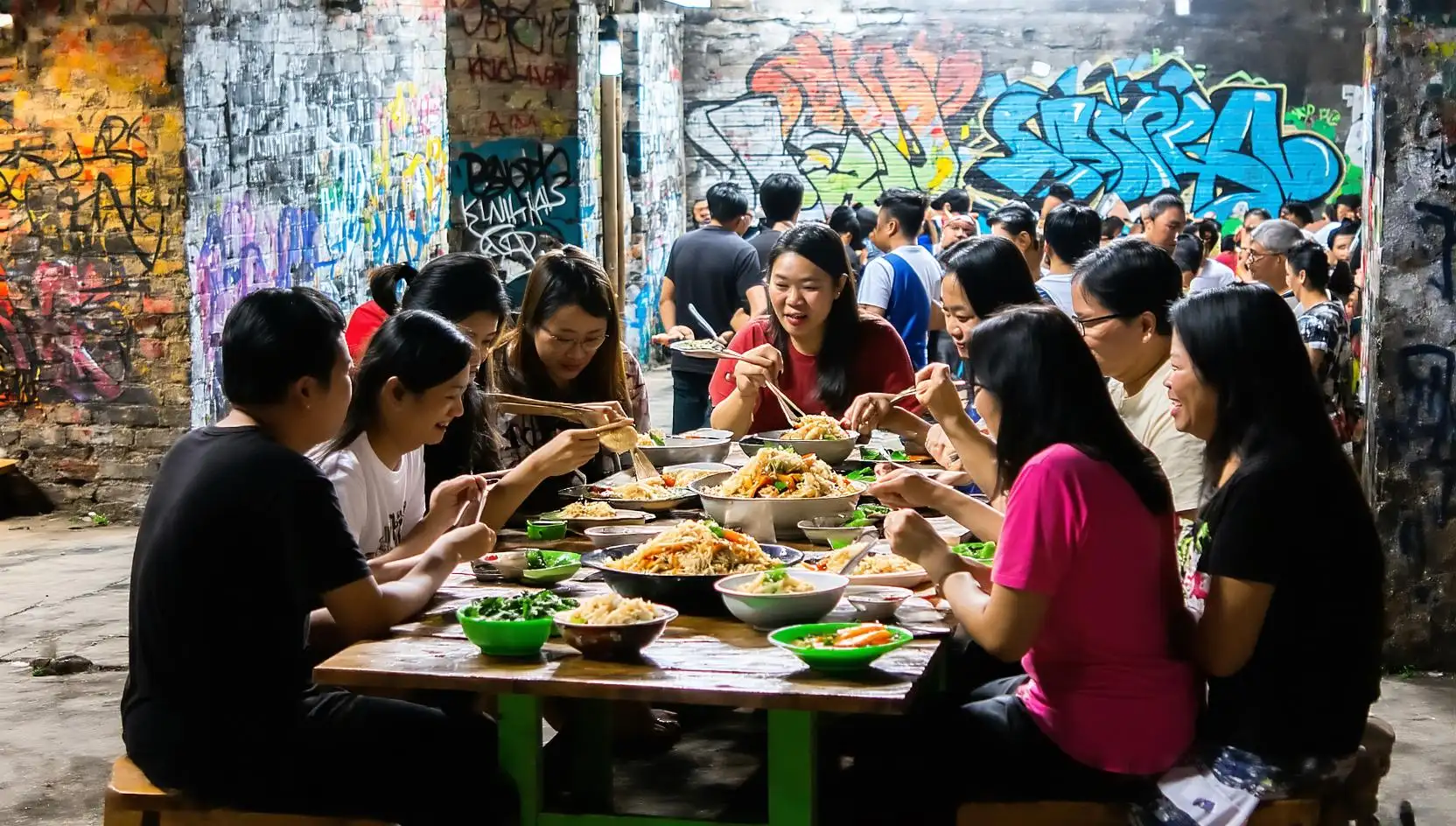
Jakarta's food markets are more than just places to eat — they are living embodiments of the city's identity, shaped by centuries of migration, trade, and tradition. By venturing beyond the tourist maps and into these hidden gems, travelers gain a deeper appreciation for the richness of Indonesian cuisine and the communities that sustain it.
Prasetyo
|
2025.06.30


