

 Feed back
 Privacy Policy
Among global culinary traditions, the Indonesian rijsttafel stands out as one of the most opulent dining experiences, representing centuries of cultural fusion between Dutch colonial influences and native Indonesian cooking techniques. This elaborate multi-course meal, originally created as a symbol of status during colonial times, has evolved into a must-try gastronomic adventure for food lovers worldwide.
At its core, the rijsttafel offers more than just delicious Dutch-Indo cuisine - it presents a complete sensory journey through Indonesia's rich culinary heritage. From the complex spice blends to the ceremonial presentation, every element tells a story of cultural exchange and royal indulgence.
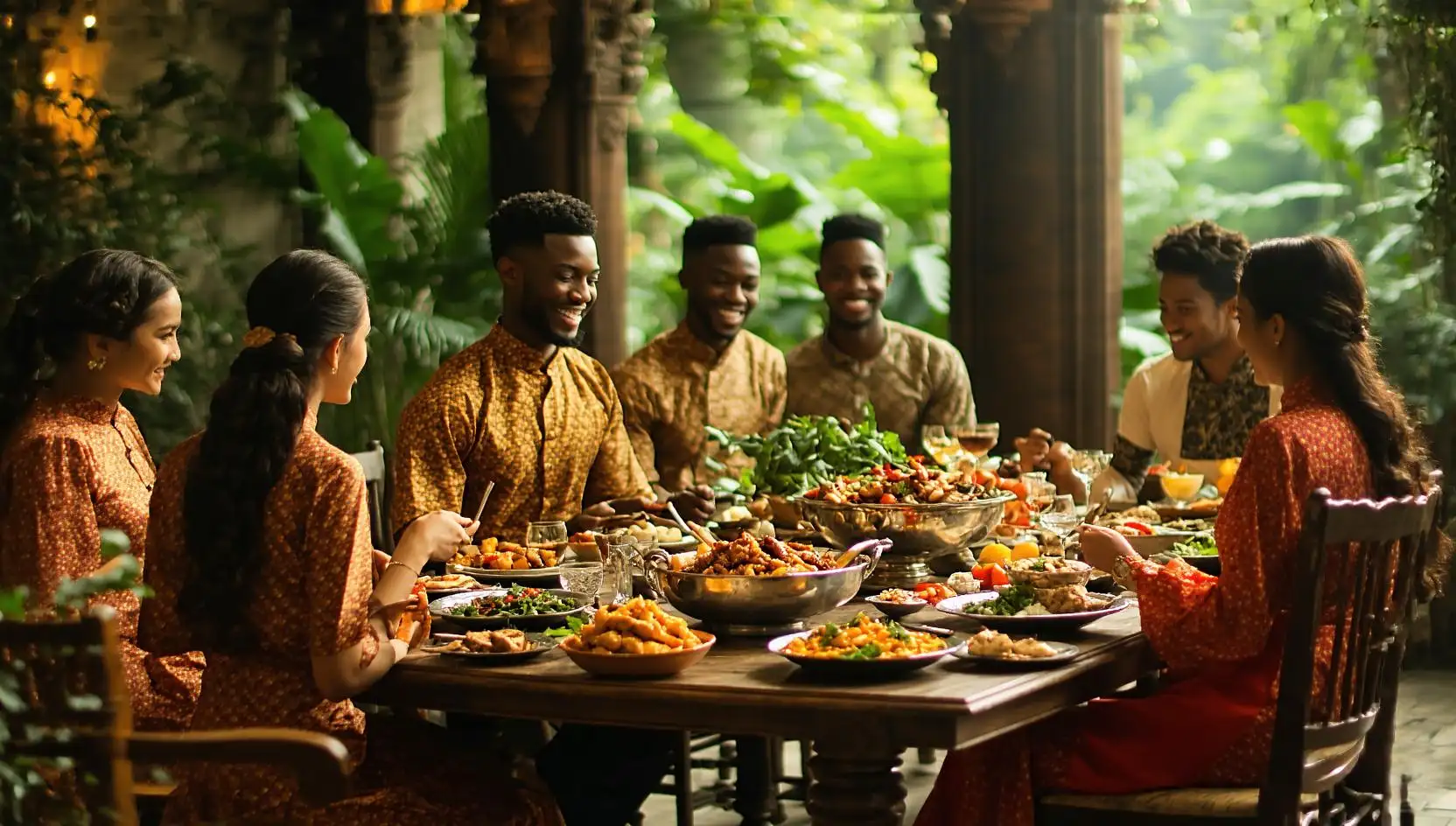
The development of Dutch-Indo cuisine began during the 350-year Dutch colonial period in Indonesia, where European cooking techniques merged with Southeast Asian ingredients and flavors. This fusion created entirely new dishes that combined the structured dining traditions of Europe with the bold, complex flavors of Indonesian cooking.
Key signature dishes like nasi goreng (fried rice), satay (grilled skewered meats), and rendang (slow-cooked beef in coconut milk) emerged from this cultural exchange. These creations became staples not just in colonial households but eventually spread globally as ambassadors of Indonesian culinary heritage.
The Indonesian rijsttafel represents the pinnacle of Dutch-Indo dining culture. Literally meaning "rice table" in Dutch, this elaborate meal typically features between 20-40 small dishes served simultaneously, creating a spectacular visual display worthy of royal ceremonies.
Traditional rijsttafel components showcase the diversity of Indonesia's archipelago, including dishes from Java, Sumatra, Bali and other regions. The experience goes beyond taste - the careful arrangement of dishes, the ceremonial serving style, and the communal sharing all contribute to making it a truly royal meal.
A proper Indonesian rijsttafel includes several key components: multiple rice varieties (white, yellow, coconut), protein dishes (chicken, beef, seafood), vegetable preparations, sambal sauces, pickled condiments, crackers, and sweet desserts. The balance of flavors - spicy, sweet, sour, and umami - creates a complete taste experience.
Following Indonesian independence in 1945, the rijsttafel tradition was carried abroad by Dutch colonists returning home. Today, major cities worldwide host Dutch-Indo restaurants serving rijsttafel, from Amsterdam to New York to Sydney. While some adaptations have occurred, the core experience remains remarkably consistent - a testament to its enduring appeal.
Contemporary chefs are reimagining rijsttafel for modern diners, focusing on seasonal ingredients, sustainable sourcing, and creative presentations while preserving traditional flavors. This evolution ensures Dutch-Indo cuisine remains relevant while honoring its royal heritage.
For travelers seeking authentic rijsttafel experiences, several historic restaurants in Jakarta and other Indonesian cities still serve traditional versions. Overseas, Dutch-Indo restaurants in the Netherlands offer the most authentic interpretations outside Indonesia.
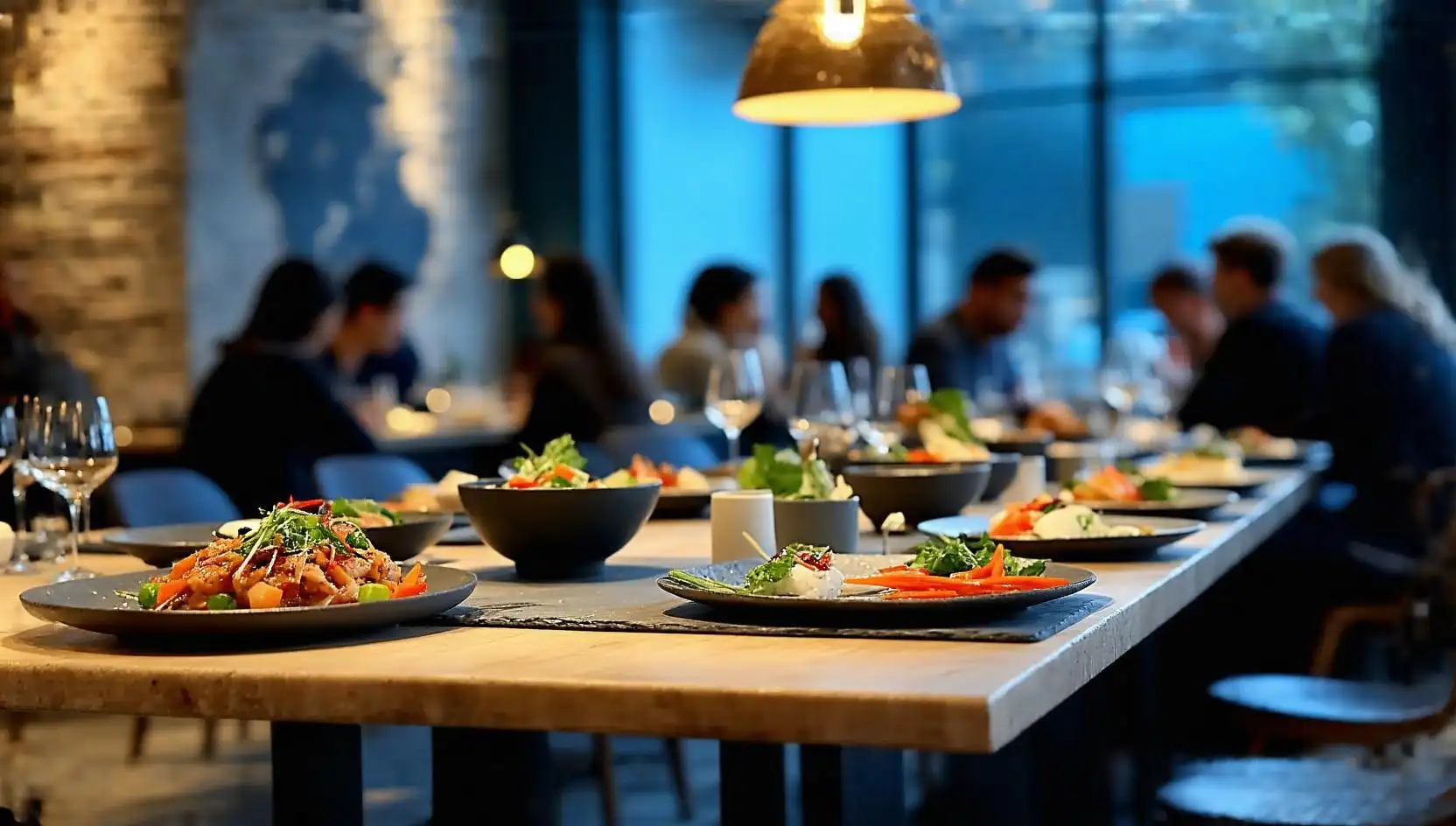
Home cooks can recreate the rijsttafel experience by focusing on key elements: variety of flavors, communal serving style, and attention to presentation. While challenging to prepare all components from scratch, combining homemade dishes with high-quality store-bought items can create an impressive spread.
1. Include at least 3-4 protein options (chicken, beef, tofu/tempeh, seafood)
2. Prepare multiple rice varieties (plain, coconut, turmeric)
3. Offer a range of sambal sauces for heat customization
4. Use banana leaves or colorful platters for authentic presentation
5. Serve with traditional beverages like jamu or teh botol
The Indonesian rijsttafel represents more than just a meal - it's a living artifact of cultural exchange and colonial history. As global interest in authentic culinary experiences grows, this royal dining tradition continues to captivate new generations of food enthusiasts.
From its origins as a status symbol for colonial elites to its current status as a celebrated culinary tradition, the rijsttafel's journey reflects Indonesia's complex history while showcasing its vibrant food culture. Whether enjoyed in a Jakarta restaurant or recreated at home, this royal meal offers a truly unforgettable dining experience.
Q: How many dishes are typically in a rijsttafel?
A: Traditional rijsttafels include 20-40 small dishes, though modern versions may have 12-15.
Q: Is rijsttafel considered fine dining?
A: Originally a colonial status symbol, today it ranges from casual to upscale depending on the restaurant.
Q: What's the difference between rijsttafel and Indonesian buffet?
A: Rijsttafel features carefully curated, individually served dishes rather than self-serve buffet style.
Hadiwijaya
|
2025.06.30


