

 Feed back
 Privacy Policy
India's gastronomic landscape presents a fascinating study in contrasts, particularly when examining North Indian food and South Indian cuisine. These two dominant culinary traditions offer distinct flavors, ingredients, and cooking methods that reflect India's diverse cultural heritage. Understanding these culinary differences not only enhances appreciation for Indian food culture but also helps food enthusiasts make informed dining choices and explore authentic recipes from each region.
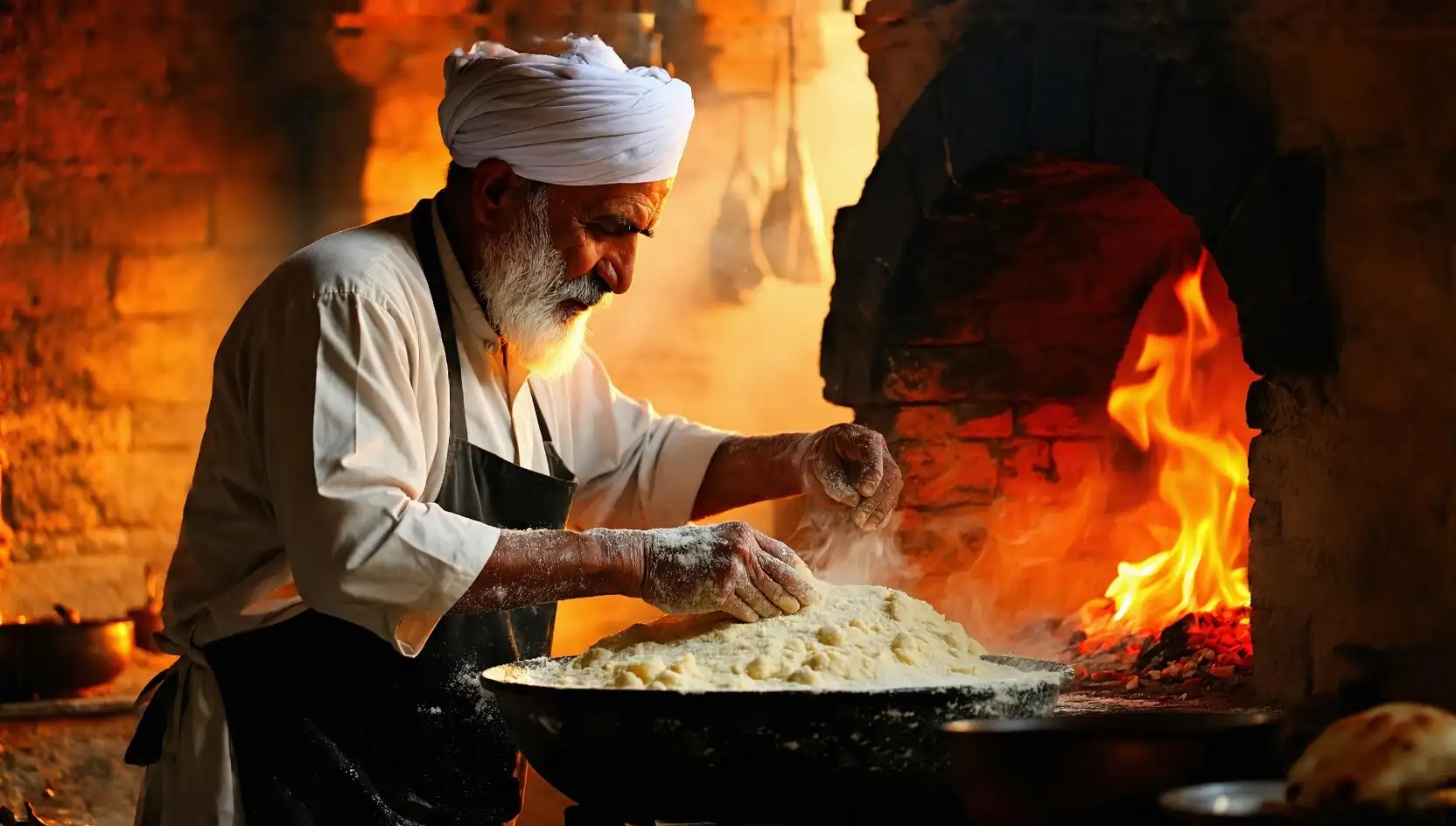
The development of North Indian cuisine reveals influences from Mughal, Persian, and Central Asian culinary traditions. The Mughal Empire's reign introduced rich, aromatic dishes that combined Indian spices with Persian cooking techniques. Northern regions like Punjab, Uttar Pradesh, and Rajasthan developed wheat-based diets featuring tandoor-baked breads, dairy-rich gravies, and slow-cooked meat dishes that remain staples today.
North Indian food prominently features wheat products like naan and roti, dairy ingredients including paneer and ghee, and aromatic spices such as garam masala. The tandoor oven produces iconic dishes like butter chicken and kebabs, while rich curries like dal makhani showcase the region's love for creamy, flavorful preparations.
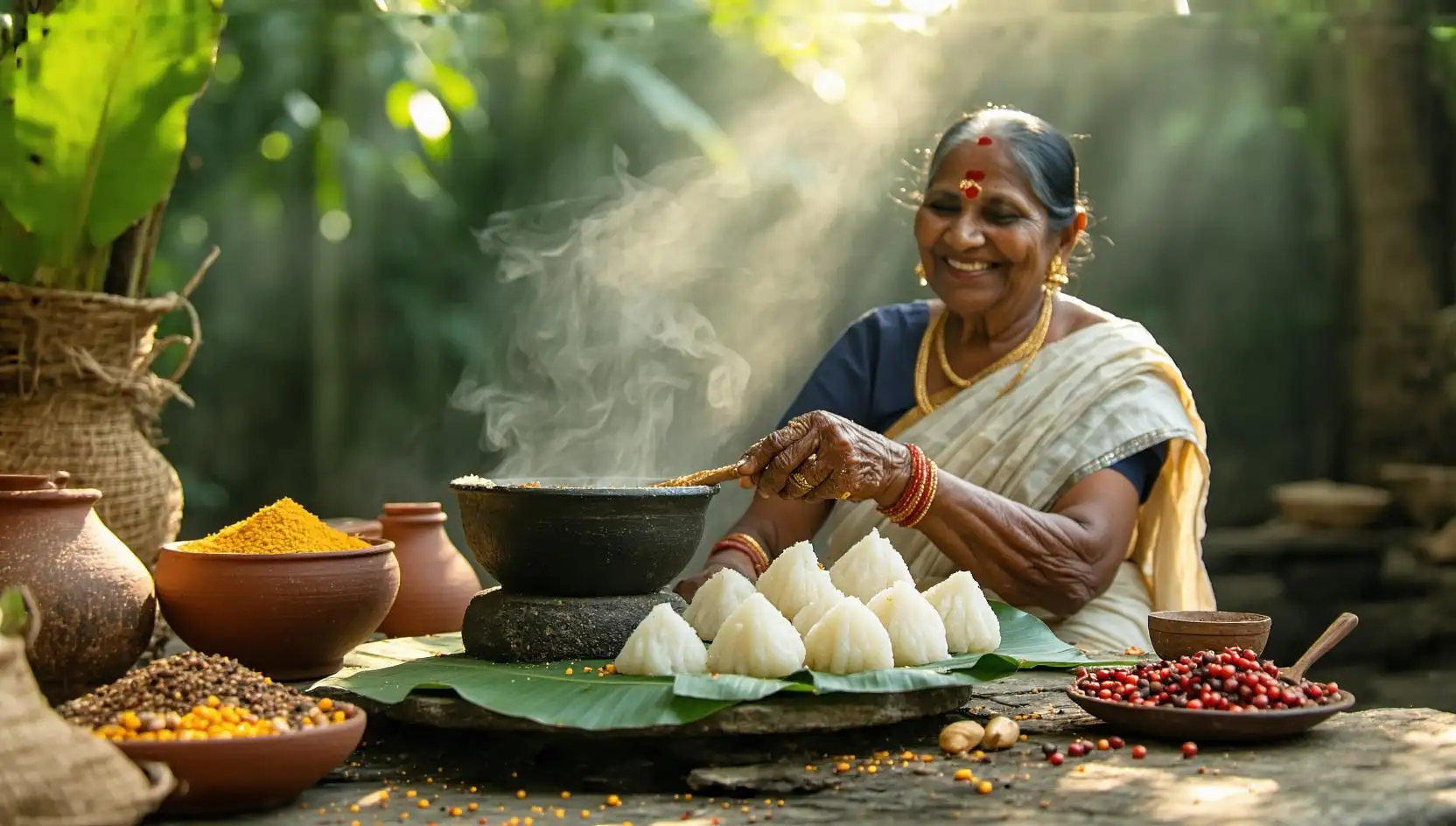
South Indian cuisine developed along different lines, with its foundations in ancient Dravidian culture and tropical geography. States like Tamil Nadu, Kerala, and Karnataka built their culinary identity around rice, coconut, and fermented foods. The hot, humid climate encouraged lighter, more easily digestible meals featuring tangy flavors and plant-based proteins.
The hallmark of South Indian cuisine includes rice-based dishes like dosa and idli, extensive use of coconut in various forms, and tempering spices like mustard seeds and curry leaves. Fermentation techniques create light, nutritious staples while tamarind adds characteristic sour notes to sambar and rasam.
When analyzing North Indian food versus South Indian cuisine, several fundamental distinctions emerge that define their unique characters.
North Indian meals center around wheat breads while South Indian cuisine uses rice as its primary grain. Dairy dominates northern cooking through paneer and yogurt, whereas coconut appears in nearly all southern preparations from chutneys to curries.
North Indian spice blends favor warming notes from garam masala, cardamom, and cloves, creating rich, complex flavors. South Indian cooking uses more tempered spices like mustard seeds and fenugreek to enhance rather than overwhelm natural ingredient flavors.
Both North Indian food and South Indian cuisine contain remarkable internal diversity across different states and communities.
Punjab's hearty sarson da saag contrasts with Kashmir's delicate Rogan Josh, while Rajasthan's dal baati churma reflects desert cooking adaptations. Each northern region developed unique dishes based on local ingredients and historical influences.
Kerala's coconut-rich seafood curries differ significantly from Andhra Pradesh's fiery chili dishes. Tamil Nadu's tangy sambar and Karnataka's benne masala dosa demonstrate how South Indian cuisine varies across neighboring states.
North Indian food typically contains more fats and calories from ghee, cream, and fried items, while providing substantial protein through dairy and meat. South Indian cuisine offers lighter, fermented foods that aid digestion along with healthy fats from coconut and antioxidants from spices like curry leaves.
For weight management or digestive health, South Indian meals may be preferable, though both cuisines can be adapted for modern nutritional needs by increasing vegetables and reducing oil usage.
North Indian dishes like butter chicken and naan have long dominated international Indian restaurants, while South Indian cuisine has recently gained global recognition for dosas and filter coffee. Fusion trends now creatively combine elements from both traditions, introducing innovative dishes like tandoori masala dosa to worldwide audiences.
Rather than viewing North Indian food and South Indian cuisine as competitors, food lovers should appreciate them as complementary expressions of India's rich gastronomic heritage. From creamy northern curries to light southern rice dishes, each tradition offers unique flavors worth exploring. Understanding these culinary differences deepens appreciation for India's regional diversity while providing practical knowledge for cooking and dining choices.
What makes North Indian food different from South Indian cuisine? The primary differences include staple ingredients (wheat vs rice), dairy vs coconut usage, spice blends, and cooking techniques.
Is South Indian food healthier than North Indian? Generally yes, due to lighter preparations, fermentation, and less fat, though both offer nutritious options when prepared thoughtfully.
Which Indian cuisine is more popular worldwide? North Indian dishes currently have wider recognition internationally, though South Indian cuisine is rapidly gaining global popularity.
How can I explore both cuisines at home? Start with signature dishes like butter chicken (North) and dosa (South), then experiment with regional specialties from different states.
Sharma
|
2025.06.30


