

 Feed back
 Privacy Policy
In a world increasingly shaped by globalization and fast food culture, Chilean family recipes serve as vital connections to cultural identity through heirloom dishes. These home-cooked meals embody generations of culinary wisdom, transforming simple ingredients into edible history. This article explores how traditional Chilean cuisine withstands modernization while maintaining its emotional significance.
At the core of Chilean culinary tradition lies herencia culinaria - a concept that elevates home-cooked meals beyond sustenance into cultural artifacts. Chilean family recipes vary significantly by region, with coastal areas preserving seafood-based heirloom dishes while the central valleys maintain agricultural traditions. The Atacama Desert communities have developed unique preservation techniques for their recipes, demonstrating remarkable adaptation to harsh climates.
Northern Chile's culinary traditions incorporate indigenous Aymara influences, seen in dishes like chairo (a herty stew). Central Chile blends Mapuche and Spanish colonial elements, producing iconic heirloom dishes like cazuela. The southern regions maintain German immigration influences alongside native Mapuche cooking techniques, creating a distinctive fusion in their home-cooked meals.
Unlike Argentinian asado, Chilean family recipes for barbecue emphasize communal preparation and specific regional woods for smoking. The social ritual surrounding these home-cooked meals often lasts hours, with multiple generations participating in both preparation and consumption of these heirloom dishes.
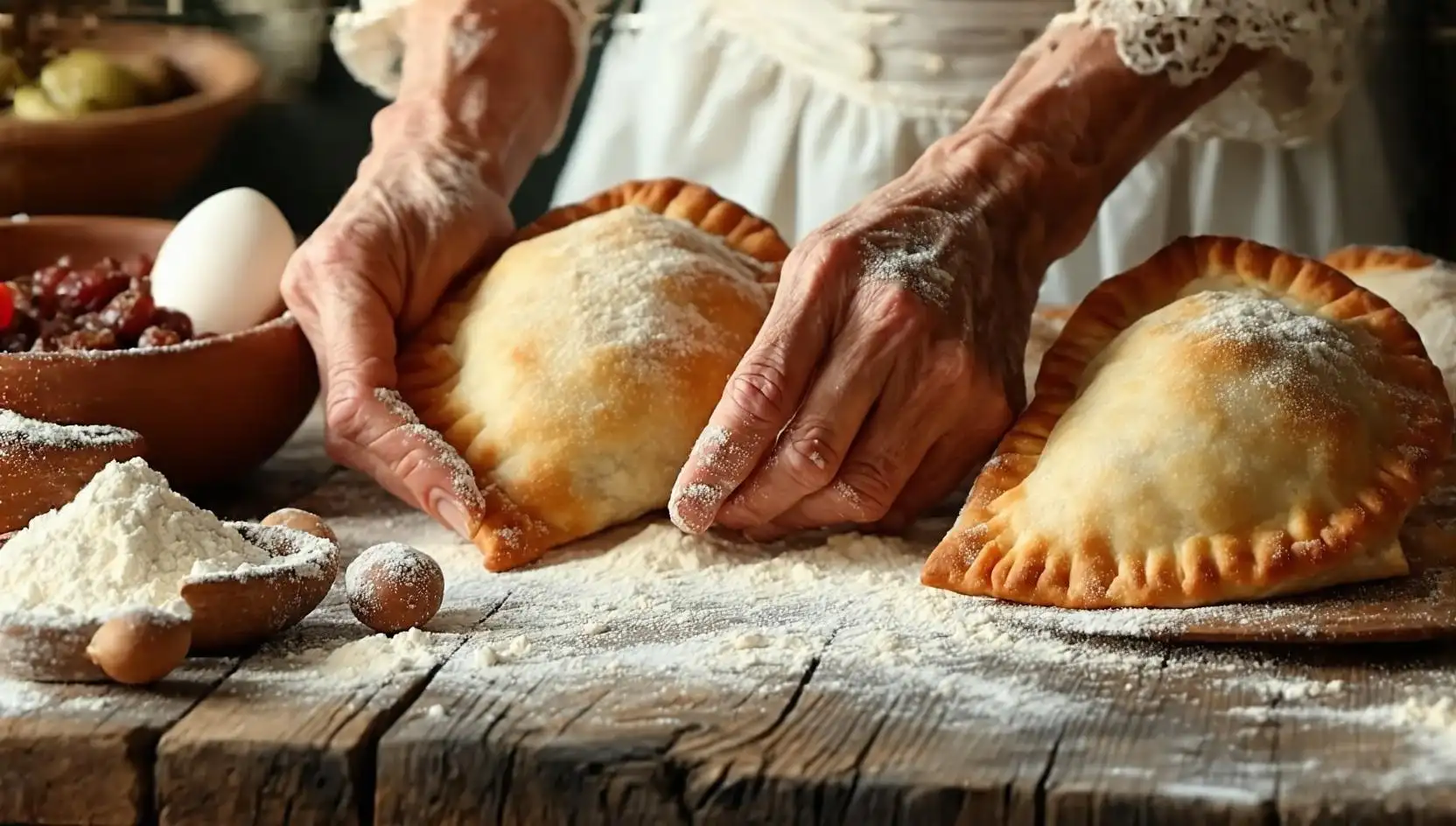
These savory pastries represent one of Chile's most recognizable heirloom dishes, with family recipes often dating back centuries. The unusual combination of ingredients (beef, onions, raisins, olives, and hard-boiled eggs) in Chilean empanadas reflects the country's complex colonial history, making them more than just home-cooked meals but edible history lessons.
This Mapuche-origin method of preparing heirloom dishes involves underground pit cooking, preserving both food and tradition simultaneously. Contemporary Chilean family recipes adapt this ancient technique for urban settings, demonstrating the flexibility of traditional home-cooked meals to modern constraints.
This corn casserole represents one of Chile's most beloved heirloom dishes, with family recipes varying subtly between households. The dish's evolution reflects Chile's agricultural development, as home-cooked meals adapted to new available ingredients while maintaining core traditional flavors.
Abuelas (grandmothers) serve as living repositories of Chilean family recipes, maintaining cooking techniques that might otherwise disappear. Their role extends beyond teaching heirloom dishes to preserving the cultural context surrounding these home-cooked meals, including proper serving traditions and associated stories.
Urbanization presents significant challenges to maintaining authentic Chilean family recipes, with shrinking kitchens limiting preparation of elaborate heirloom dishes. Commercial food production has altered ingredient quality, requiring adaptations in traditional home-cooked meals that sometimes compromise authenticity.
Young Chileans are documenting heirloom dishes through social media platforms, creating digital archives of family recipes. Cooking influencers are adapting home-cooked meals for contemporary lifestyles while preserving their essential traditional character, making Chilean cuisine accessible to global audiences.
Preserving Chilean family recipes requires more than just recording heirloom dishes - it demands active participation in preparing and sharing home-cooked meals. Each generation contributes to this living tradition, ensuring that Chile's rich culinary heritage continues evolving while maintaining its essential character and cultural significance.
What makes Chilean family recipes unique?
How can I authenticate traditional Chilean recipes?
Seek sources from recognized culinary institutions or multi-generational family cookbooks documenting heirloom dishes, rather than modern adaptations of home-cooked meals.
Where can I learn traditional Chilean cooking techniques?
Many Chilean cultural centers and universities now offer courses in preparing authentic heirloom dishes, preserving methods for home-cooked meals.
Are Chilean family recipes adaptable to modern kitchens?
While traditional heirloom dishes often require specific techniques, many home-cooked meals can be adapted without losing their essential character through thoughtful recipe modification.
Vergara
|
2025.06.30


